10 Common Perimenopause Symptoms You Should Know About - And Why They Happen

Perimenopause can be a confusing time. You may suddenly notice changes in your sleep, mood, periods, energy, body or even the way your brain seems to work - sometimes without realising that hormones could be behind it.
The reason perimenopause can feel so unpredictable is that your hormones don't simply decline in a smooth, steady pattern. Instead, oestrogen and progesterone can fluctuate considerably as the ovaries gradually become less consistent at releasing eggs. These hormonal changes can affect many different systems throughout the body, which is why perimenopause can produce such a wide variety of symptoms.
Here are 10 of the most common symptoms and what may be happening behind the scenes.
1. Irregular or Changing Periods
For many women, changes to their menstrual cycle are one of the earliest clues that perimenopause has begun.
Your periods might arrive earlier or later than expected, become heavier or lighter, last longer or shorter, or occasionally disappear altogether.
Why does this happen?
As ovarian function becomes less predictable, ovulation may not happen regularly. This changes the usual pattern of oestrogen and progesterone production, which can alter the development and shedding of the uterine lining.
In other words, your menstrual cycle is becoming less predictable because the hormonal signals controlling it are changing.
2. Hot Flushes and Night Sweats
A sudden wave of heat that seems to come from nowhere is one of the symptoms most strongly associated with perimenopause.
You may feel intensely hot across your face, neck and chest, start sweating and then become chilly afterwards. These episodes can also occur during sleep, causing night sweats.
Why does this happen?
Oestrogen interacts with the part of your brain that helps regulate body temperature. As oestrogen levels fluctuate, the body's temperature-control system can become more sensitive to small changes in temperature.
The result can be an exaggerated response - your body may essentially decide that you are too warm when you aren't, triggering sweating and increased blood flow to the skin in an attempt to cool you down.
3. Sleep Problems
You might find yourself struggling to fall asleep, waking repeatedly during the night or waking much earlier than usual.
And sometimes it isn't simply a matter of being unable to sleep. You may wake feeling as though you haven't had enough restorative rest, leaving you exhausted during the day.
Why does this happen?
There can be several overlapping reasons. Hormonal fluctuations can affect sleep, while night sweats can physically wake you. Changes in mood, anxiety and stress can also make it harder to settle at night.
Progesterone also has calming and sleep-supporting effects, so changes in progesterone during the menopausal transition may contribute to disrupted sleep for some women.
4. Mood Swings, Anxiety and Irritability
You might notice that you are more emotional, anxious, impatient or easily irritated than you used to be.
Some women describe feeling as though their emotional "buffer" has become much smaller. Things that previously wouldn't have bothered them suddenly feel overwhelming.
Why does this happen?
Hormonal fluctuations can influence brain chemistry and the systems involved in mood regulation. At the same time, poor sleep, physical symptoms and the stresses of midlife can amplify emotional changes.
This means that perimenopause isn't necessarily the sole cause of every mood change, but changing hormones can be an important contributor. Anxiety, low mood and mood swings are recognised symptoms of the menopause transition.
5. Brain Fog and Memory Problems
Have you ever walked into a room and forgotten why you went there? Or struggled to find a word that you normally use without thinking?
Brain fog can make you feel strangely disconnected from your usual mental sharpness.
Why does this happen?
Oestrogen doesn't only affect reproductive organs. It also interacts with the brain, and changes during the menopause transition can affect cognitive function.
Sleep disruption and emotional stress can make things even harder. When you're tired and your brain is constantly dealing with stress or interrupted sleep, concentration and memory can suffer too.
Memory and concentration difficulties are recognised symptoms of perimenopause and menopause.
6. Fatigue and Low Energy
Perimenopause fatigue can feel different from ordinary tiredness. You might sleep for what seems like a reasonable number of hours but still feel completely drained.
Why does this happen?
There isn't necessarily one single explanation. Hormonal fluctuations, disrupted sleep, night sweats, mood changes and the general physical demands of this stage of life can all contribute to feeling exhausted.
For some women, the combination creates a frustrating cycle: hormonal changes disrupt sleep, poor sleep reduces energy and concentration, and low energy makes everyday life feel more difficult.
7. Headaches and Migraines
If you've never been particularly prone to headaches, you may be surprised to find them appearing more frequently during perimenopause. If you already experience migraines, they may also change or become more troublesome.
Why does this happen?
Changing hormone levels can influence headaches and migraines. The fluctuations in oestrogen that occur during the menopause transition may be particularly important for women who are sensitive to hormonal changes.
This is one reason why keeping track of your cycle and symptoms can sometimes reveal patterns that aren't immediately obvious. Headaches and migraines that become worse than usual are recognised menopause symptoms.
8. Aching Muscles and Joints
Suddenly feeling stiff or achy can be another unexpected part of perimenopause.
You might notice sore knees, stiff fingers, aching hips, uncomfortable shoulders or a general feeling that your body isn't recovering from activity quite as easily as it once did.
Why does this happen?
Oestrogen has effects throughout the body, including on tissues involved in movement and inflammation. As hormone levels change, some women experience increased joint and muscle discomfort.
Of course, not every ache or pain during midlife is caused by perimenopause. Persistent or severe pain deserves proper medical assessment. But muscle aches and joint pain are recognised symptoms that can occur during the menopause transition.
9. Vaginal Dryness and Changes in Sexual Comfort
Some women notice vaginal dryness, irritation, itching or discomfort during sex. You may also experience a change in your usual level of sexual desire.
These symptoms can be particularly frustrating because they can affect both physical comfort and intimacy.
Why does this happen?
Oestrogen helps maintain the health, moisture and elasticity of vaginal and vulval tissues. As oestrogen levels change and eventually decline, these tissues can become drier and more sensitive.
Sexual desire can also be influenced by many factors, including hormones, sleep, stress, mood, relationships and physical discomfort. So a change in libido isn't necessarily "all in your head" - but it isn't necessarily caused by hormones alone either.
10. Changes in Weight and Body Shape
One of the most frustrating changes for many women is noticing that their body seems to respond differently to food and exercise.
You may notice changes around your waist or abdomen, even if your lifestyle hasn't changed dramatically.
Why does this happen?
The menopause transition is associated with changes in body composition and fat distribution. At the same time, getting older can bring changes in muscle mass, activity levels, sleep and metabolism.
Hormonal changes are therefore one part of a much bigger picture. Weight gain during perimenopause is common, but it isn't a sign that you've suddenly become lazy or that your body has "stopped working".
Why Can Perimenopause Cause So Many Different Symptoms?
This is perhaps the most important thing to understand about perimenopause:
Your reproductive hormones don't only affect your reproductive system.
Oestrogen receptors are found throughout the body, and changing hormone levels can influence temperature regulation, the brain, sleep, vaginal and urinary tissues, bones, skin and other body systems.
That's why perimenopause can feel like several different things are happening at once.
One month you might be sleeping badly and feeling anxious. The next, your periods may suddenly become heavier. Then you might experience hot flushes, brain fog or joint aches.
And just when you think you've figured out your pattern, it can change again.
This unpredictability is a normal part of the menopause transition for many women. Symptoms can vary considerably from person to person, and they can also change over time.
You're Not Imagining It
Perimenopause can be a strange experience because many of the changes aren't immediately visible.
You may look exactly the same on the outside while feeling completely different on the inside.
If you're experiencing several new symptoms at once, particularly alongside changes to your menstrual cycle, it may be worth talking with your doctor about whether perimenopause could be contributing.
And remember: you don't have to simply put up with symptoms because they're "part of getting older". There are treatment and lifestyle options that can help, depending on your individual symptoms and circumstances.
Most importantly, understanding what is happening inside your body can be incredibly empowering.
You aren't broken. Your body is changing - and understanding those changes is the first step towards supporting yourself through them.
Ellie x
This article is for general educational purposes and is not intended to replace individual medical advice. New, severe, unusual or persistent symptoms should be discussed with a qualified healthcare professional.
READY TO FEEL MORE IN CONTROL OF YOUR PERIMENOPAUSE?
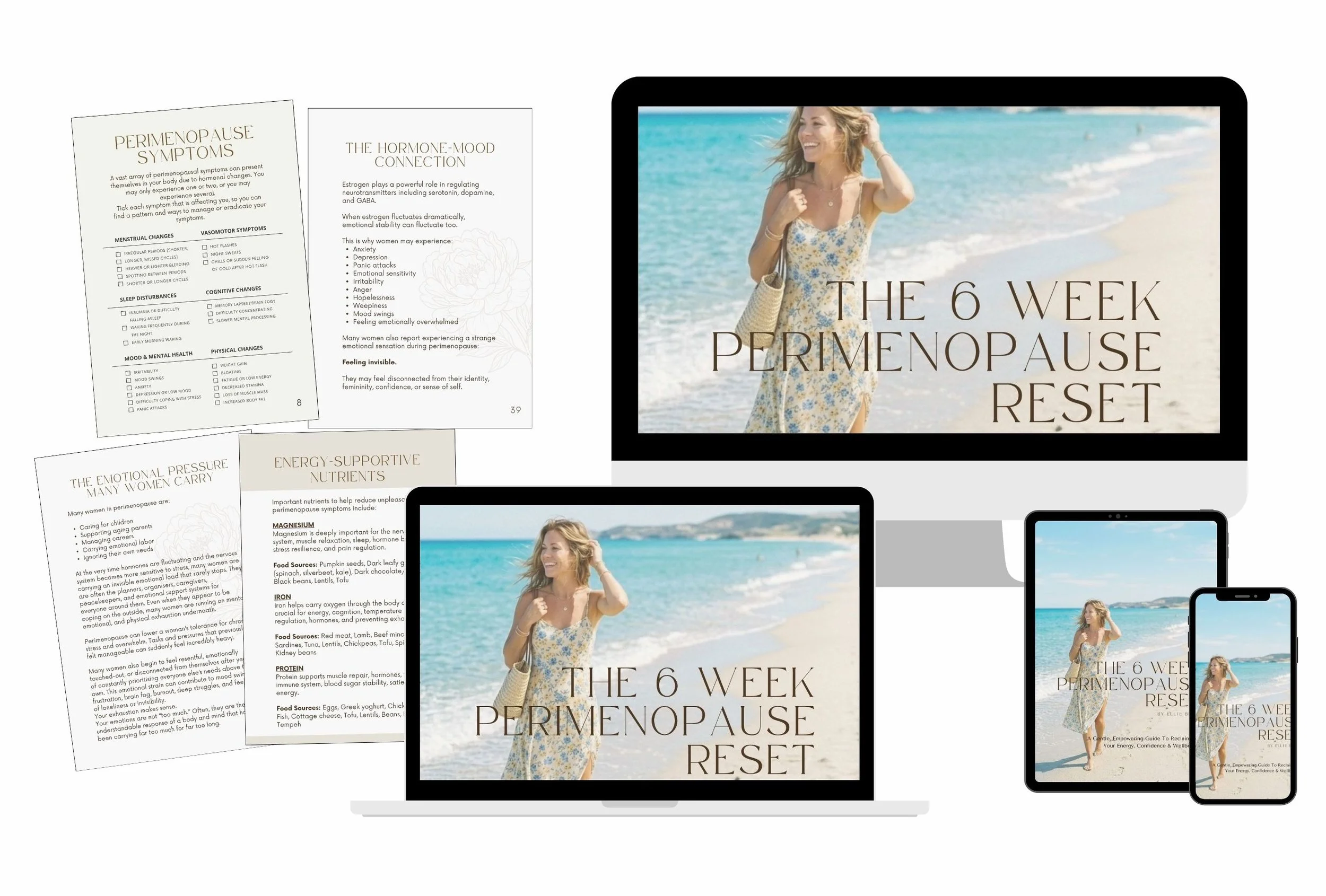
Discover The 6-Week Perimenopause Reset- a practical six-week guide designed to help you support your sleep, energy, mood, body, intimacy and confidence through this changing stage of life.